
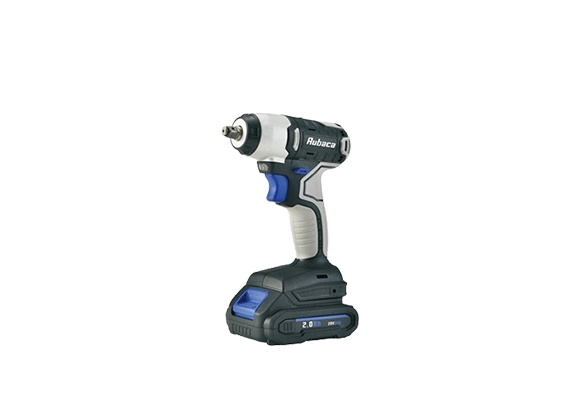
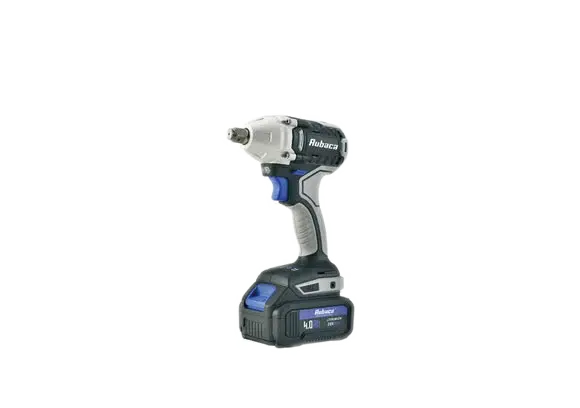
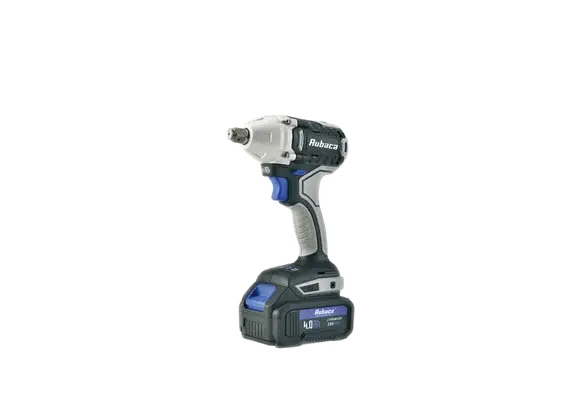
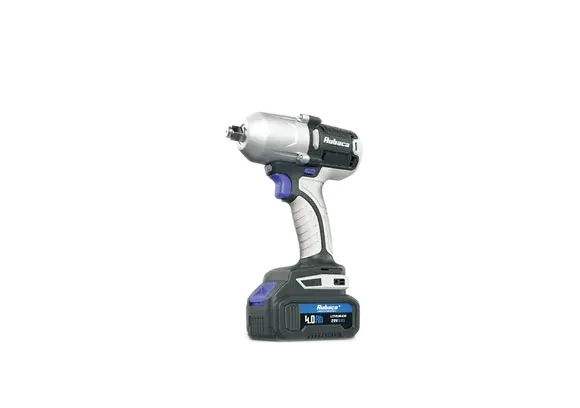
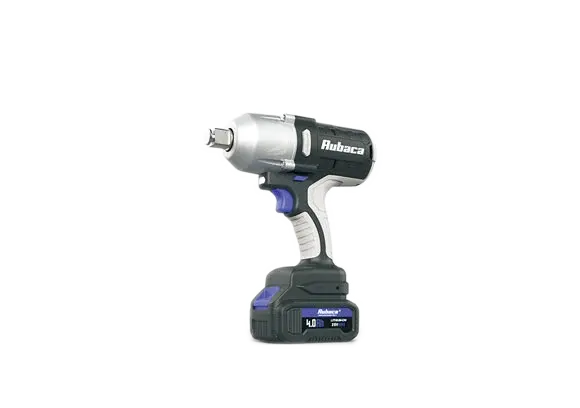
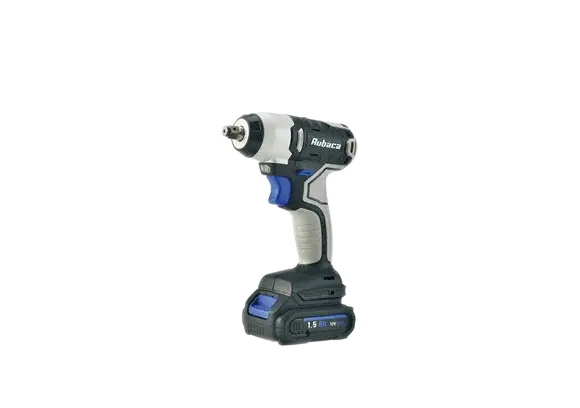
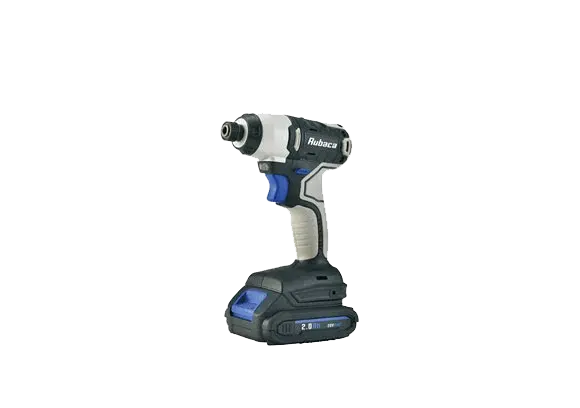
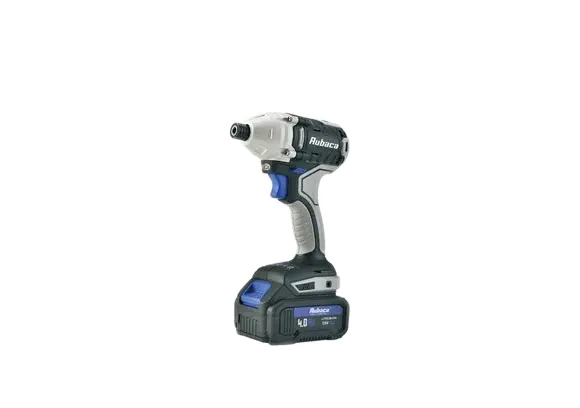

For distributors, wholesalers, importers and tool retailers, choosing the right 1/2"electric impact wrench is not only about torque or appearance. A suitable model should match the target market, application scenario, battery platform, accessory package and expected price position.
A 1/2 inch drive is one of the most common specifications for nut and bolt fastening because it works with impact-rated sockets and is widely used in automotive repair, workshop maintenance, equipment servicing and general fastening applications. For B2B buyers, the key question is not simply “which model is stronger,” but “which configuration is easier to sell, repeat and support in my market.”
What Does 1/2 Electric Impact Wrench Mean?
A 1/2"electric impact wrench usually refers to an electric impact wrench with a 1/2 inch square drive. The 1/2 inch drive connects with compatible impact sockets and is commonly used for tightening or loosening wheel nuts, bolts and medium-duty fasteners.
The word “electric” can include corded and battery-powered tools, but in many modern B2B tool channels, buyers often prefer battery-powered models because they are easier to use in garages, mobile repair work, workshops and job sites. Compared with air impact tools, electric or battery-powered impact wrenches do not require an air compressor, which makes them easier to position for portable tool markets.
Why B2B Buyers Should Not Choose by Torque Alone
Torque is important, but it should not be the only selection factor. Some high-torque 1/2 inch impact wrenches are designed for heavy-duty automotive or industrial tasks, while compact models are easier to handle for lighter repair and maintenance work.
For example, large brands often separate 1/2 inch impact wrenches into compact, mid-range and high-torque categories. This shows an important B2B lesson: different markets need different product positions, and not every buyer needs the highest torque model.
If your customers are small workshops, hardware stores or general maintenance users, a compact or mid-range 1/2"electric impact wrench may be easier to sell because it balances power, weight and price. If your channel serves tire service, heavy repair or professional mechanics, a higher-torque model may be more suitable.
Key Selection Factors for a 1/2 Electric Impact Wrench
| Selection Factor | Why It Matters for B2B Buyers | Recommended Page Angle |
|---|---|---|
| Drive Size | A 1/2 inch square drive fits common socket-based fastening applications. | Explain compatibility with impact-rated sockets and lug nut applications. |
| Torque Output | Torque determines whether the tool fits light repair, workshop maintenance or heavier fastening tasks. | Guide buyers to match torque with target users instead of only choosing the highest number. |
| Motor Type | Brushless motors usually support better efficiency and durability for frequent use. | Position brushless models for semi-professional and professional tool channels. |
| Battery Platform | Battery voltage, capacity and compatibility affect product cost and user experience. | Clarify whether the product is tool-only or supplied with battery and charger. |
| Speed Control | Multiple speed or torque settings help users control fastening force for different tasks. | Highlight control, safety and application flexibility. |
| Accessories | Battery, charger, sockets and carrying case can change the final product package. | Help distributors decide between basic supply and retail-ready sets. |
| Weight and Size | A lighter tool is easier to use for long working hours and compact repair environments. | Connect compact design with workshop and mobile repair applications. |
Tool-Only or Complete Set: Which Is Better for Your Channel?
For B2B buyers, product configuration has a direct impact on quotation, shelf positioning and end-user acceptance. A tool-only 1/2"electric impact wrench is usually suitable for markets where buyers already use a compatible battery platform or prefer lower entry cost.
A complete cordless impact wrench with battery and charger together with a carrying case and socket accessories is more suitable for retail channels, online tool stores and distributors who want to offer a ready-to-use product. This configuration is easier for end users to understand because they do not need to purchase the battery and charger separately.
Before placing a bulk order, buyers should confirm whether their target customers prefer body-only supply, battery-and-charger sets, or a full kit with accessories and packaging. This prevents price comparison mistakes, because two quotations may look different simply because the included components are not the same.
How to Match 1/2 Electric Impact Wrench with Applications
A 1/2"electric impact wrench is often selected for applications where manual tools are too slow or inefficient. Common use cases include lug nuts, wheel-related fastening, workshop maintenance, equipment repair, metal assembly and general bolt loosening tasks.
For automotive repair channels, buyers should focus on torque, socket compatibility, battery runtime and tool durability. For hardware retail and general maintenance channels, buyers may care more about ease of use, complete kit packaging, compact size and competitive product positioning.
For distributors, this application-based selection method is more useful than simply listing technical specifications. It helps the sales team explain why a certain model fits garages, small workshops, maintenance users or DIY tool markets.
Battery, Charger and Plug Standard Should Be Confirmed Early
Battery configuration is one of the most important details in B2B purchasing. Voltage, battery capacity, charger type and plug standard can all affect cost, packaging and market readiness.
If buyers plan to sell in multiple regions, plug type and manual language should be confirmed before production. A product that looks suitable in specification may still create problems if the charger standard, label, barcode or packaging information does not match local channel requirements.
For a market-ready 1/2"electric impact wrench, the supplier should help confirm whether the buyer needs sample testing, standard packaging, customized label, private brand box or a complete retail set.
How B2B Buyers Can Compare Supplier Quotations
When comparing quotations, buyers should avoid judging by unit price alone. A lower quotation may only include the bare tool, while a higher quotation may include battery, charger, sockets, case, color box and customized packaging.
A better comparison method is to ask each supplier to confirm the same configuration: torque level, drive size, motor type, battery capacity, charger standard, accessories, MOQ, packaging and lead time. This makes the comparison more accurate and reduces misunderstanding before bulk purchase.
Buyers can also review available half inch cordless impact wrench before requesting a quotation. This helps confirm whether the selected model matches lug nut applications, workshop repair or general fastening markets.
Conclusion: Choose by Market Fit, Not Only by Power
The right 1/2"electric impact wrench should match the buyer’s target market, application demand and sales channel. Torque is important, but drive size, battery setup, motor type, accessories, packaging and after-sales positioning are also part of the selection decision.
For distributors, importers and tool retailers, the best choice is usually not the strongest model on paper, but the model that is easiest to position, explain, sell and reorder. By comparing configuration before price, B2B buyers can select a 1/2 inch electric impact wrench that better supports long-term channel growth.
Related Brushless Power Tool from AUBACA
