

An angle grinder is useful for cutting metal, grinding welds, removing rust, polishing edges and preparing surfaces. But because the disc rotates at high speed, the way you hold the tool matters a lot. A loose grip, wrong body position or unstable workpiece can make the grinder harder to control.
This guide explains how to hold angle grinder tools in a safer and more stable way. It covers hand position, side handle use, body stance, guard direction, cutting control and common mistakes. For tool buyers and distributors, these points also help explain why grip design, balance and safety features matter when choosing angle grinder products.
Why Proper Grip Matters
An angle grinder should not be treated like an ordinary hand tool. During cutting or grinding, the disc can catch on the material, especially if the tool is twisted or pushed too hard. A proper grip helps the operator guide the tool steadily and react faster if the grinder moves unexpectedly.
Good control starts before the disc touches the material. The operator should check the disc, guard, side handle, battery or power source, and the workpiece. Once the grinder starts, both hands should stay on the tool as much as possible.
How to Hold an Angle Grinder with Both Hands
The most important rule is simple: use two hands. One hand should hold the main grip, and the other hand should hold the side handle. The side handle is not just an accessory. It helps control vibration, tool movement and sudden pulling force during cutting or grinding.
Hold the grinder firmly, but do not lock your arms. Keep your elbows slightly bent and your wrists straight. This gives you more control and makes it easier to guide the tool smoothly. The grinder should feel balanced in your hands, not too far away from your body and not pressed too hard into the material.
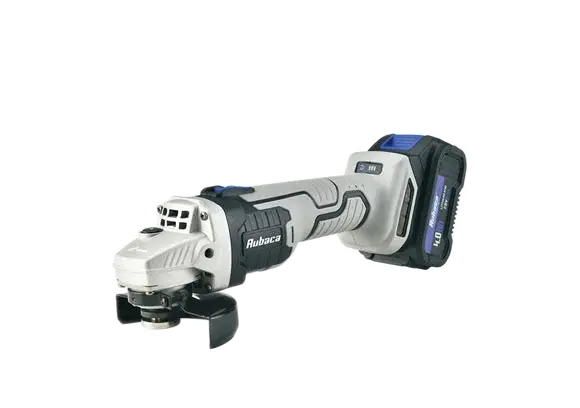
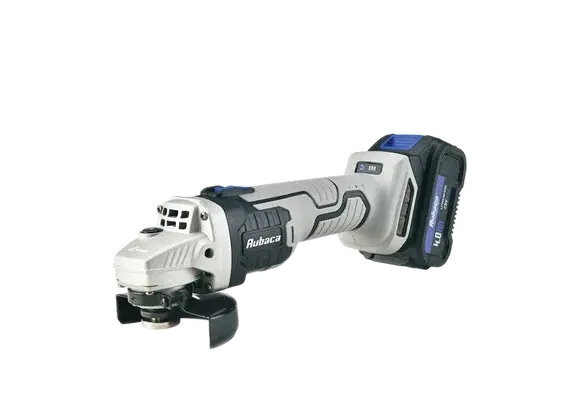
When comparing cordless angle grinder options, buyers should pay attention to the handle design, side handle position, body weight and battery balance. A grinder that feels stable in the hand is usually easier to use and easier to sell in hardware, workshop and construction tool channels.
How to Stand Before Cutting or Grinding
Your body position is just as important as your hand position. Stand with both feet firmly on the ground. Do not stand directly in line with the cutting disc. A slightly side-on position gives better balance and keeps the body away from the direct cutting path.
The material should also be fixed before work starts. Do not hold the workpiece by hand while using the grinder. Clamp it, support it or place it on a stable workbench. If the material moves, the disc may catch and pull the grinder off line.
Before starting, also check the area around you. Keep loose clothing, cables, rags and other objects away from the rotating disc. If you are using a cordless grinder, make sure the battery is locked in place and the tool can move freely through the full working path.
How to Hold an Angle Grinder When Cutting
When cutting, let the disc reach full speed before touching the material. Hold the grinder with both hands and move it steadily along the cutting line. Do not twist the cutting disc sideways. Cutting wheels are designed to cut with the edge, not to handle side pressure.
Do not force the grinder through the material. If the cut feels slow, check whether the disc is suitable for the material instead of pressing harder. Too much pressure can make the disc bind, overheat or wear out faster.
For metal cutting, pipe cutting or bolt cutting, keep the grinder aligned with the cut. If the disc starts to jam, stop and reposition the tool. Trying to pull or twist the grinder out while the disc is still running can increase the risk of losing control.
How to Hold an Angle Grinder When Grinding
Grinding is different from cutting. When grinding, the disc usually contacts the surface at a controlled angle instead of cutting straight through the material. A steady angle helps remove material smoothly and prevents the grinder from jumping across the surface.
Move the grinder across the work area in a controlled way. Do not stay in one spot for too long, and do not press too hard. The disc and motor should do most of the work. Pressing harder does not always mean faster grinding; it can reduce control and wear the disc more quickly.
For rust removal, weld cleaning and surface preparation, keep both hands on the grinder and guide the tool slowly. A stable grip gives a cleaner finish and reduces fatigue during longer work.
Common Mistakes When Holding an Angle Grinder
| Mistake | Why It Is a Problem | Better Way |
|---|---|---|
| Using only one hand | The grinder is harder to control if it vibrates or catches. | Hold the main grip and side handle with both hands. |
| Standing in line with the disc | The operator is more exposed if the disc breaks or kicks back. | Stand slightly to the side of the cutting path. |
| Removing the guard | The operator has less protection from sparks and fragments. | Keep the guard installed and properly positioned. |
| Forcing the disc into the material | The disc may bind, overheat or wear quickly. | Use steady pressure and the correct disc. |
| Holding a loose workpiece | The material can move and pull the disc off line. | Clamp or support the workpiece before starting. |
What Tool Buyers Should Notice
For buyers stocking angle grinders, safe handling is not only about user training. Product design also matters. A good grinder should have a comfortable grip, a useful side handle, a protective guard, a reliable switch and a body shape that feels balanced during work.
For cordless models, battery position is also important. If the battery makes the tool too heavy at the rear, users may find it harder to control. A balanced cordless grinder is easier to hold during cutting, grinding and rust removal.
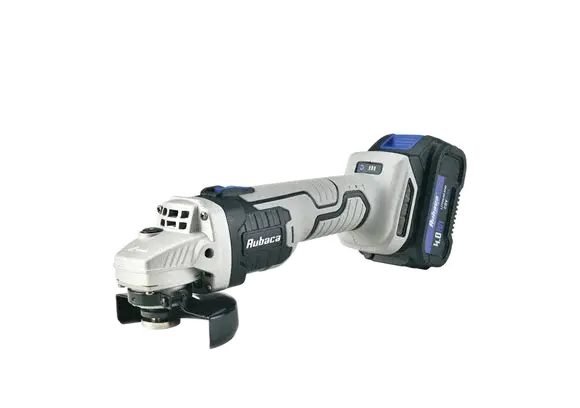
Aubaca cordless grinder products can be used for metal cutting, grinding, polishing, rust removal and general maintenance work. Before bulk orders, buyers can confirm disc size, battery configuration, guard design, handle position, packaging and target market requirements.
FAQs About Holding an Angle Grinder
Should you hold an angle grinder with one hand or two hands?
An angle grinder should normally be held with two hands. One hand controls the main grip, and the other hand controls the side handle. This gives better stability and reduces the chance of losing control.
Where should the guard face when using an angle grinder?
The guard should be positioned between the operator and the disc as much as possible. It helps block sparks, fragments and accidental contact during cutting or grinding.
How should you hold an angle grinder when cutting metal?
Hold the grinder with both hands, keep the workpiece fixed and guide the disc straight through the cutting line. Do not twist the disc sideways or force it into the material.
Why does an angle grinder kick back?
Kickback can happen when the disc binds, catches, twists or is pushed too hard. Proper grip, correct disc choice and a stable workpiece can help reduce this risk.
What should buyers check before ordering angle grinders?
Buyers should check grip comfort, side handle position, guard design, disc compatibility, switch control, motor performance, battery balance and packaging options. These details affect both user confidence and product sales.
Conclusion
Holding an angle grinder safely is mainly about control. Use both hands, keep the workpiece stable, stand out of the cutting line and let the disc do the work. Do not remove the guard or force the tool through the material.
For tool buyers, these same points can help evaluate whether an angle grinder is practical for resale. A grinder that is easier to hold, easier to control and easier to explain is more suitable for hardware retail, workshop supply, construction tools and general maintenance markets.
Related Brushless Power Tool from AUBACA
